
Home / Blog / Performance Marketing
Performance MarketingGoogle Ads vs Meta Ads: Where Should Your Budget Go?
One captures demand, the other creates it. Here is how to decide where your ad budget works hardest.
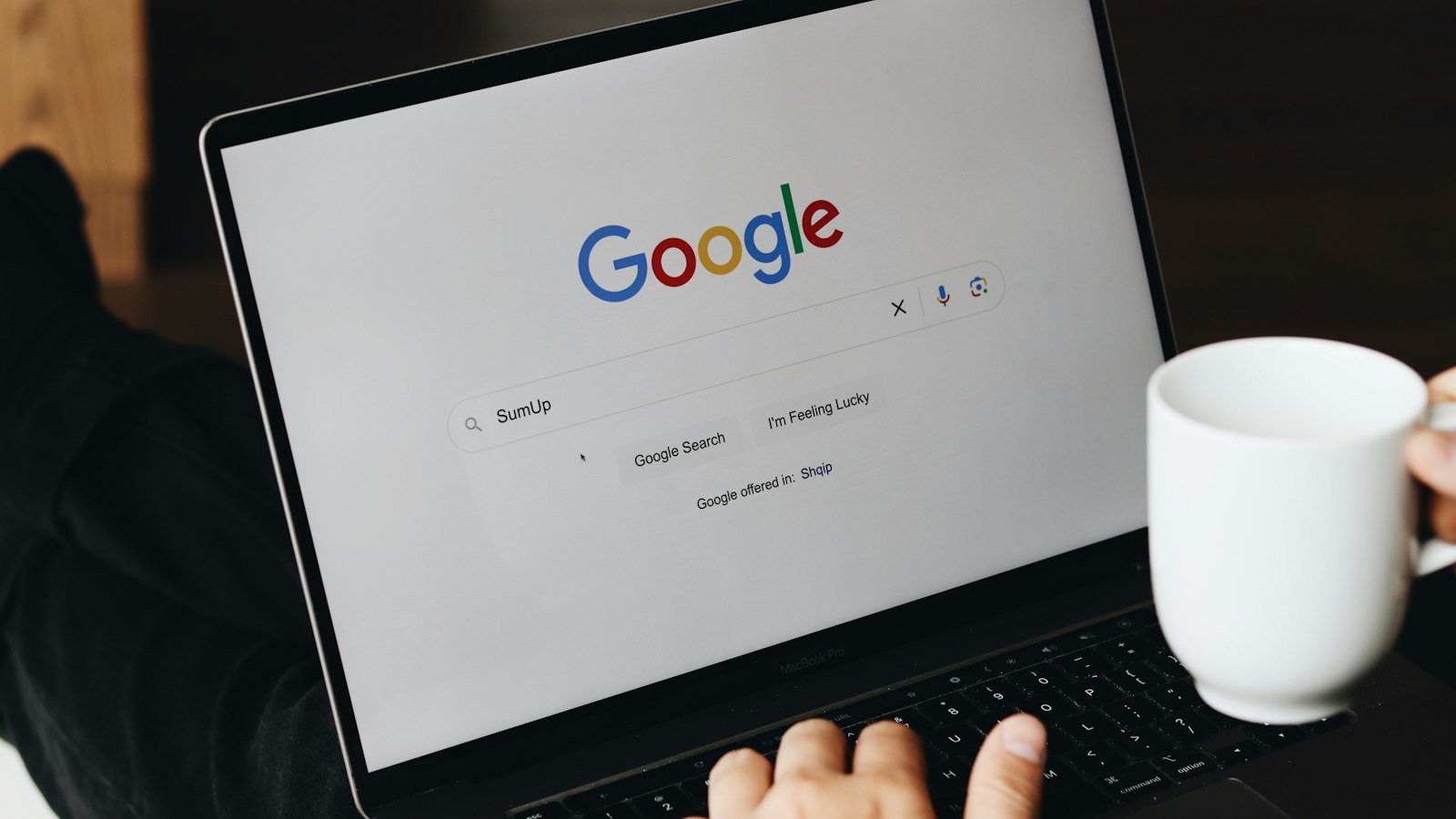
Business owners often ask us which is “better”: Google Ads or Meta Ads (Facebook and Instagram). The honest answer is that they do different jobs. Google captures people who are already searching. Meta reaches people who aren’t searching yet but are likely to buy. Most growing businesses need both, in the right proportion.
The core difference: intent vs discovery
| Google Ads (Search) | Meta Ads | |
|---|---|---|
| How people find you | They search for what you sell | Your ad appears while they scroll |
| Intent | High; they need it now | Lower, but a much bigger audience |
| What sells it | Keywords, ad copy, landing page | Creative: video, images, hooks |
| Cost per click | Usually higher | Usually lower |
| Best at | Capturing existing demand | Creating demand, visual products, retargeting |
When Google Ads should get most of your budget
- Urgent services: clinics, repairs, emergency services, “near me” searches.
- B2B and exporters: buyers search for specific products and specifications.
- High-consideration local services: schools, coaching, legal and financial services.
- Products people already know they want: specific models, brands or categories.
When Meta Ads should get most of your budget
- Fashion, jewellery, beauty and lifestyle: people buy what they see.
- New or unique products: nobody searches for what they don’t know exists.
- Real estate launches: reach buyers in the right locality before they start searching.
- Offers and events: festive sales, launches, limited slots.

A practical budget split
| Business type | Meta | |
|---|---|---|
| Fashion / D2C e-commerce | 20–30% | 70–80% |
| Real estate | 30–40% | 60–70% |
| Clinics & local services | 60–70% | 30–40% |
| B2B / exporters | 70–80% | 20–30% |
These are starting points, not rules. After 4–6 weeks, move budget to whichever platform delivers the lowest cost per sale or qualified lead.
How the two work together
The strongest accounts use both. Meta creates awareness; some of those people later search your brand name on Google, where a cheap brand campaign captures them. Google visitors who don’t convert can be retargeted on Instagram with reviews and offers. Measured together, the combined result is usually better than either platform alone.
Mistakes to avoid
- Running Google Search with broad keywords and no negative keywords
- Running Meta with one creative for months
- Sending all traffic to the homepage instead of a focused landing page
- Judging Meta on last-click sales only
- Skipping conversion tracking (Pixel, Conversions API, GA4)
The bottom line
If people already search for what you sell, start with Google. If your product sells on looks, emotion or discovery, start with Meta. Then test, measure and let results decide the split. Across our accounts, Meta has been the stronger growth engine for fashion and e-commerce, where we consistently see 5x–8x ROAS once creatives and tracking are right.
Frequently asked questions
Can I run Google and Meta ads with a small budget?
Yes, but focus on one platform first. Split budget too thin and neither platform gets enough data to optimise. Add the second once the first is profitable.
Which platform is better for B2B?
For most B2B businesses and exporters, Google Search brings higher-intent enquiries. Meta and LinkedIn support brand awareness and retargeting.
How do I measure results across both platforms?
Use GA4 with UTM tags on every ad, plus Meta Pixel with Conversions API and Google conversion tracking, and compare cost per sale or qualified lead.
How long before I know which platform works?
Give each platform 4–6 weeks of properly tracked spend before deciding, then shift budget towards the better performer.
Want a second opinion on your ad budget?
We’ll review your current Google and Meta accounts and show you where the money is working, and where it isn’t.
Free strategy call
Want results like these for your business?
Tell us about your goals and we'll send a clear plan, with no obligation.
Keep reading
 Performance MarketingWhat ₹2.5 Crore of Meta Ad Spend Taught Us: 12 LessonsSince 2023 our team has managed over ₹2.5 crore in Meta ad spend. These are the lessons that changed how we run…Read article →
 Performance MarketingHow We Deliver 5x–8x ROAS for Fashion Brands on Meta AdsOur fashion accounts consistently run at 5x–8x return on ad spend. This is the system behind those numbers.Read article →
 Performance MarketingMeta Ads for Real Estate: How to Get Site-Visit Leads in SuratCheap leads that never visit the site are the biggest problem in real estate advertising. Here is the funnel we use to…Read article →